
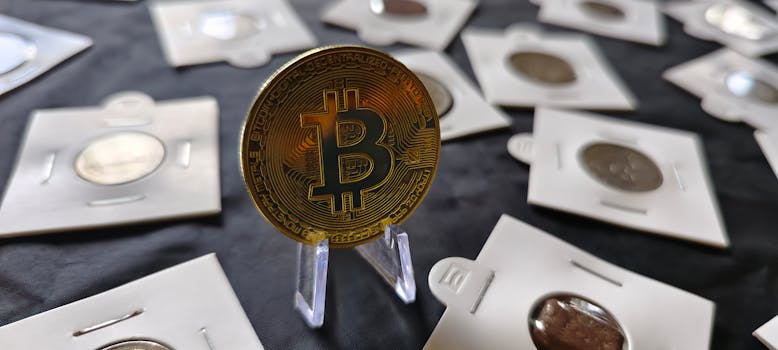
Digital Collectibles: Beyond a Transient Trend
Introduction
Are digital collectibles merely a fad or a transformative force shaping the future of value and ownership? This article aims to unravel the misconceptions and explore the multifaceted nature of digital collectibles, demonstrating their profound impact on industries and their potential to revolutionize the way we interact with assets and digital culture.
Industry Statistics & Data
- The global digital collectibles market is projected to reach $40 billion by 2027 (Mordor Intelligence).
- In 2021, the NFT market saw a surge of $25 billion in trading volume, a remarkable 704% increase from 2020 (NonFungible).
- Nearly 70% of consumers believe digital collectibles will become mainstream within the next 5 years (IBM).
Core Components
Security and Authenticity
Blockchain technology provides unparalleled security for digital collectibles, ensuring their authenticity and preventing counterfeiting. This establishes a level of trust that has been lacking in the physical collectibles market.
Scarcity and Ownership
Digital collectibles leverage the concept of scarcity, often limiting the number of unique items in circulation. This scarcity endows these assets with value and allows collectors to establish true digital ownership.
Accessibility and Verifiability
Digital collectibles can be easily accessed, stored, and traded online, eliminating geographical barriers and reducing transaction costs. Additionally, blockchain technology enables transparent ownership records, allowing collectors to verify the provenance of their digital assets.
Common Misconceptions
Lack of Tangibility
Digital collectibles may not possess physical form, but they hold intrinsic value through their scarcity, authenticity, and the exclusive experiences they provide.
Intrinsic Value
Unlike traditional assets, digital collectibles derive value not only from their underlying artwork but also from their utility within virtual worlds, games, and other online experiences.
Market Volatility
While the digital collectibles market can experience volatility, it also presents opportunities for growth and investment. Collectors who understand the underlying value propositions and trends can navigate market fluctuations effectively.
Comparative Analysis
Digital collectibles offer advantages over traditional collectibles in several aspects:
- Increased Accessibility: Removes geographic barriers and makes it easier to acquire and trade collectibles from anywhere in the world.
- Security: Blockchain technology enhances security and prevents counterfeiting, providing peace of mind to collectors.
- Expansion of Value: Digital collectibles can hold utility beyond aesthetics, such as unlocking exclusive experiences, access to communities, and even financial benefits.
Best Practices
Provenance Tracking
Maintain accurate and transparent records of the origin and ownership history of digital collectibles to ensure authenticity and value.
Community Engagement
Build and foster a vibrant community of collectors and enthusiasts around your digital collectibles to increase engagement and foster a sense of belonging.
Innovative Use Cases
Explore innovative use cases for digital collectibles, such as integrating them into virtual worlds, creating unique experiences, or developing new forms of investment and patronage.
Expert Insights
"Digital collectibles are not just a passing trend, but a paradigm shift in the way we own and interact with digital assets." - Sarah Wagner, Founder of the NFT Art Exchange
"The security and transparency provided by blockchain technology is transforming the art and collectibles market, empowering artists and collectors alike." - Julien Boudet, Chief Product Officer at Nifty Gateway
Practical Applications
Showcase Digital Art
Create and sell unique digital artworks as NFTs, allowing artists to monetize their creations and collectors to acquire exclusive ownership of digital masterpieces.
In-Game Assets
Develop digital collectibles that can be used within video games, providing players with unique abilities, cosmetic upgrades, and even financial rewards.
Digital Fashion
Design and trade digital fashion items as NFTs, enabling fashion designers to reach new audiences and collectors to express their individuality in virtual spaces.
Common Questions
What makes digital collectibles valuable?
Scarcity, authenticity, ownership rights, and utility within digital realms contribute to the value of digital collectibles.
How can I trade digital collectibles safely?
Use reputable NFT marketplaces that implement security measures and verify the authenticity of digital collectibles.
Can digital collectibles be used as investments?
Yes, some digital collectibles have appreciated in value over time, making them a potential investment opportunity, but it's crucial to approach with caution and conduct thorough research.
Implementation Tips
Establish Clear Value Proposition
Define the intrinsic value and utility of your digital collectibles to attract collectors and investors.
Leverage Blockchain Security
Implement robust blockchain technology to ensure the security, authenticity, and provenance of your digital collectibles.
Create Engaging Communities
Build and nurture a community of collectors and enthusiasts to foster a sense of belonging and drive engagement.
User Case Studies
Sorare
Sorare successfully integrated digital collectibles into the fantasy soccer game, allowing enthusiasts to collect and trade digital player cards representing real-world soccer players.
Cryptopunks
Cryptopunks is a collection of algorithmically generated digital collectibles that have gained significant value and recognition in the NFT community, demonstrating the artistic and cultural appeal of digital art.
NBA Top Shot
NBA Top Shot brought the excitement of the NBA to the digital realm, creating a platform where fans can collect and trade memorable moments as NFTs, fostering a new level of fan engagement.
Future Outlook
- Integration into the Metaverse: Digital collectibles are poised to play a significant role in shaping the Metaverse, providing users with unique avatars, digital assets, and immersive experiences.
- Interoperability between Platforms: As the industry matures, we may see increased interoperability between platforms, allowing users to seamlessly transfer and use digital collectibles across different virtual worlds and games.
- Government Regulation: Governmental agencies may implement regulations to protect consumers and ensure the transparency and legitimacy of the digital collectibles market.
Conclusion
Digital collectibles are not merely a fleeting trend but a transformative force redefining the concept of ownership, value, and digital culture. With their enhanced security, scarcity, accessibility, and emerging use cases, digital collectibles have the potential to revolutionize the way we interact with digital assets and shape the future of art, entertainment, and finance.
